Gared
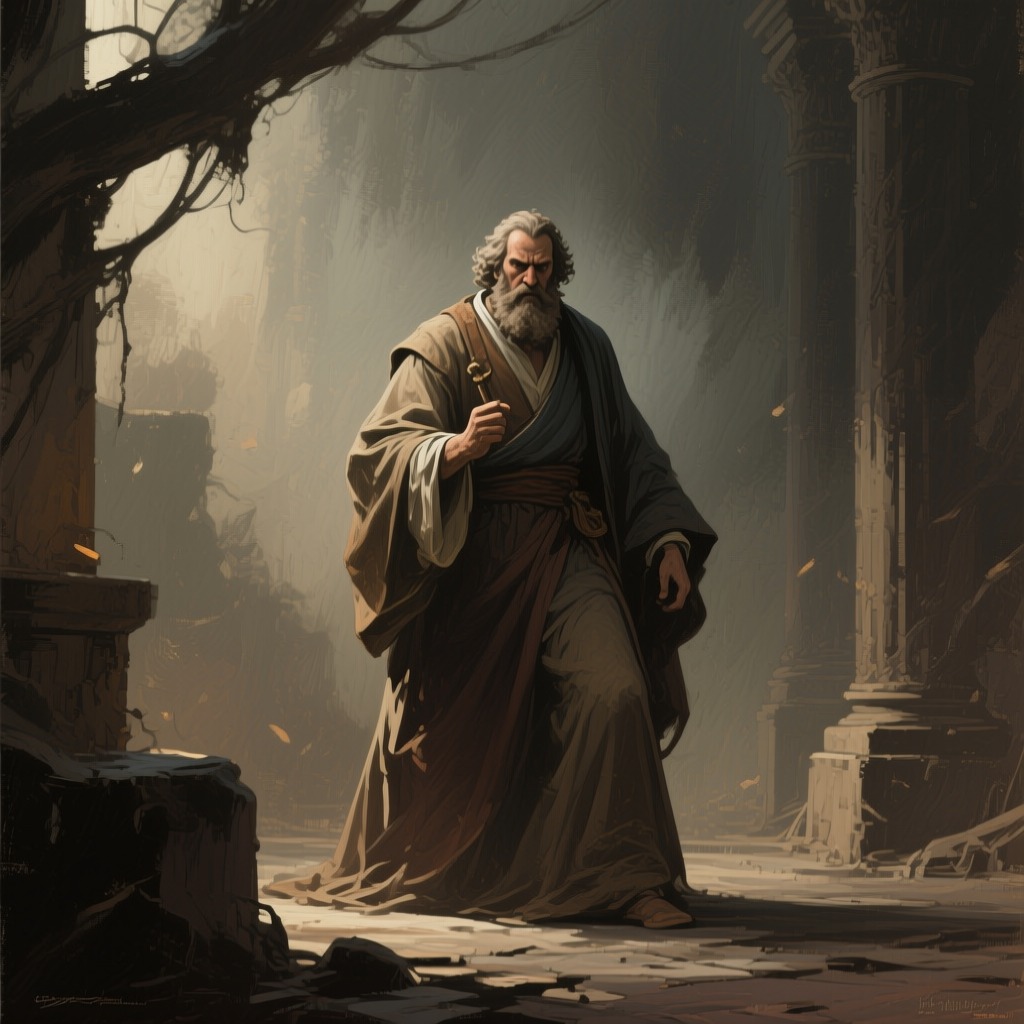
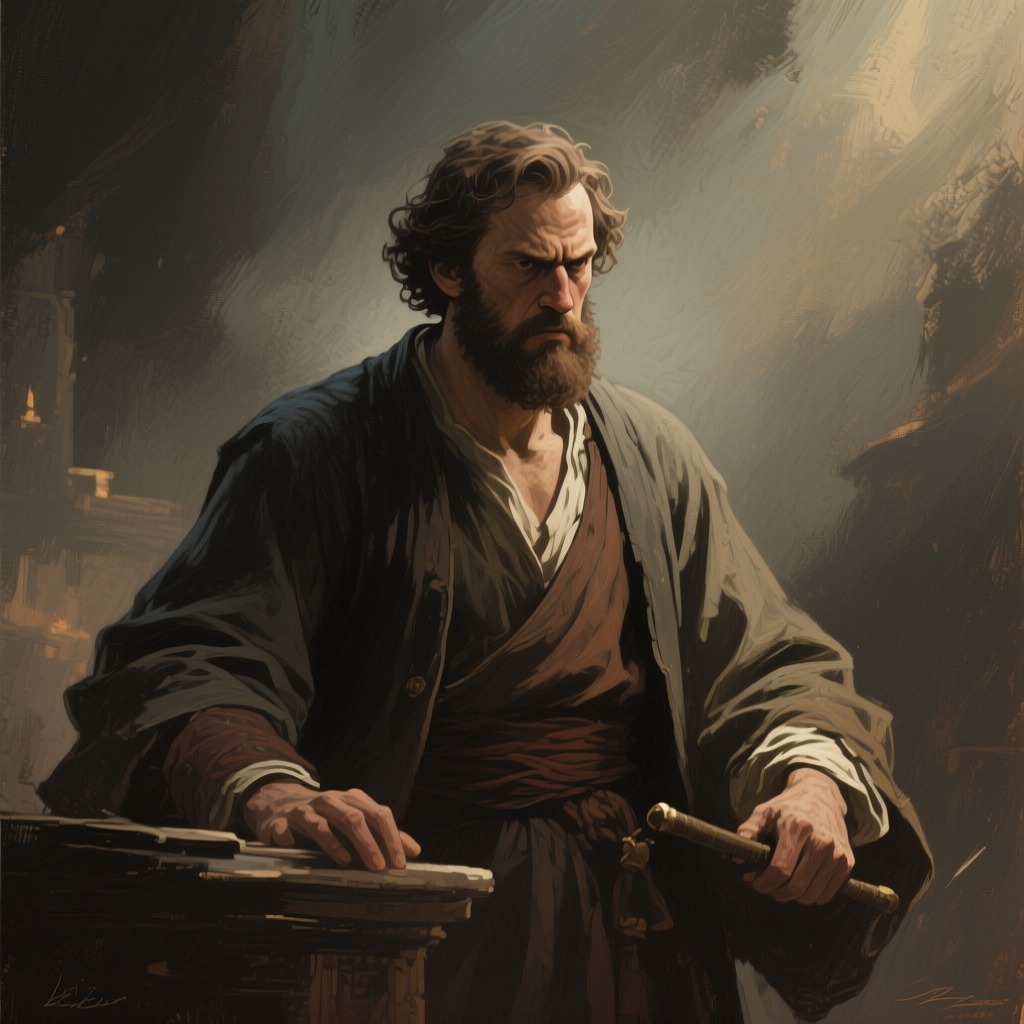
Gared was an old man past fifty, a lifelong ranger of the Night's Watch who had spent forty years man and boy on the Wall. He had seen lordlings come and go, and the cold had left permanent marks on him: he had lost both ears, three toes, and the little finger off his left hand to frostbite, scars that Maester Aemon had cut away. He carried the memory of finding his own brother frozen at his watch post, a smile on his face, a story he told to illustrate the insidious nature of the cold he knew so intimately.
Identity and Introduction
Gared first appears as one of three rangers on a ranging beyond the Wall, tracking a band of Wildling raiders. He is immediately established as the voice of experience and caution, urging Ser Waymar Royce to turn back as darkness falls. He is not accustomed to being made light of, and his barely suppressed anger at the young knight's mockery is palpable. Will, the third ranger, senses a nervous tension in Gared that comes perilously close to fear, a feeling Will himself shares. Gared's authority comes from his years, not his birth, and he is deeply skeptical of the lordling's inexperience.
Arc Through the Plot
Gared's arc is defined by his escalating dread and his ultimate, tragic failure. He correctly identifies the cold as the real enemy, describing its deceptive, peaceful lethality in a speech of surprising eloquence. He is the first to sense that something is wrong, asking the others if they can feel it and telling them to listen to the darkness. When Ser Waymar insists on investigating the empty Wildling camp, Gared is left to guard the horses, a task he accepts with sullen resentment. He argues for a fire, believing it will keep away bears, direwolves, and other things, but is overruled. After Ser Waymar and Will are killed by the Others, Gared does not return to Castle Black. Instead, he flees south, becoming a deserter. He is captured outside a small holdfast in the hills, bound hand and foot, and brought before Lord Eddard Stark for execution. He is described as old and scrawny, not much taller than Robb, and dressed in the ragged, greasy black of the Night's Watch. His eyes are full of a deep, paralyzing fear, a fear so profound that Jon Snow later observes he was dead of it before the sword fell.
Relationships and Conflict
Gared's primary conflict is with Ser Waymar Royce, a handsome, arrogant youth of eighteen who has been a Sworn Brother for less than half a year. Gared resents the lordling's mockery and his dismissal of hard-won experience. The tension between them is palpable, with Gared glaring at the knight, his scarred ear holes flushed red with anger. This conflict is not just personal; it represents the clash between the grim, practical knowledge of the old guard and the untested, prideful ambition of the new. Gared's relationship with Will is more collegial, as they share a common unease and a respect for each other's skills.
Change and Ending
Gared's change is a descent from a respected, if weary, ranger into a terrified deserter. The encounter with the Others breaks something in him. He does not die fighting; he runs. His end comes at the hands of Lord Eddard Stark, who beheads him for desertion in front of his young sons. The execution is a public, formal affair, a lesson in the harsh justice of the north. Gared dies without a struggle, his fear having already consumed him. His head is kicked away by Theon Greyjoy, a final indignity. His death serves as the catalyst for the discovery of the direwolf pups, an event of immense significance for the Stark children.
Thematic Significance
Gared embodies the central theme of the book: the difference between the romanticized stories of heroism and the brutal, terrifying reality of the world. He is a man who has seen too much to be brave in the way a young knight might be. His fear is not cowardice but a rational response to an incomprehensible, supernatural threat. His story is a warning that the old dangers are real, that the cold winds are rising, and that the men who know this are often the ones who are destroyed by it. His fate also underscores the unforgiving code of the Night's Watch, where desertion is punishable by death, a law that Jon Snow himself will later struggle with.